
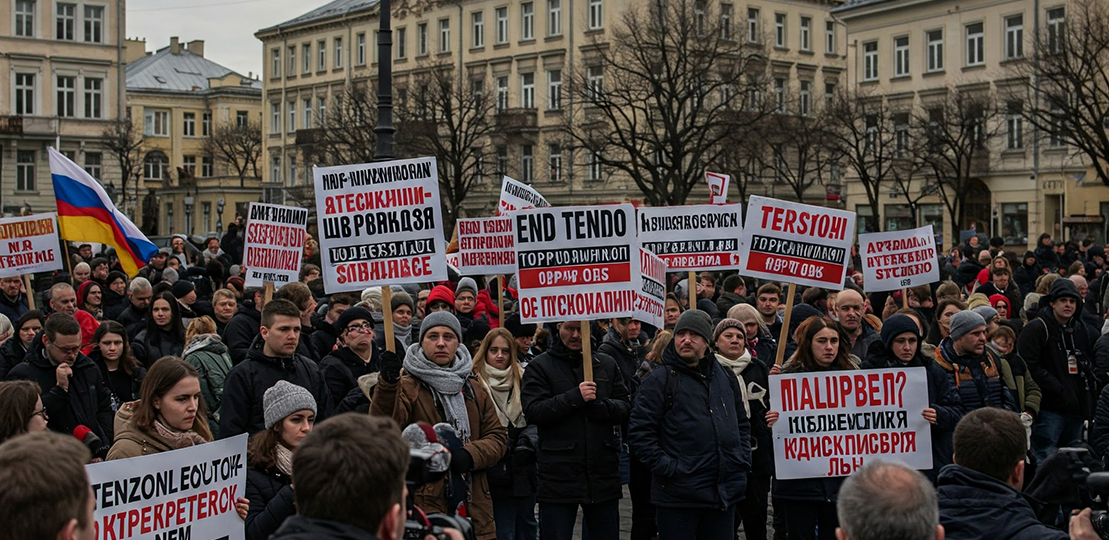

A palpable unease has settled over Eastern Europe as diplomatic efforts to de-escalate simmering tensions encounter significant roadblocks. A confluence of long-standing regional disputes, heightened military posturing, and a breakdown in communication channels have contributed to an increasingly volatile environment, raising concerns across the international community.
Recent weeks have witnessed a worrying escalation in rhetoric and activity along several key fault lines. Border disputes, which have historically plagued the region, have resurfaced with renewed vigor, fueled by nationalist sentiments and mutual accusations of aggression. Military exercises conducted by various nations in close proximity to each other have further amplified anxieties, perceived by some as provocative displays of force rather than routine drills.
International bodies and individual nations have scrambled to initiate diplomatic dialogues, hoping to bridge the widening chasm between the involved parties. However, these efforts have been met with stiff resistance. Entrenched positions, a lack of trust, and seemingly irreconcilable demands have hampered progress, leaving mediators with little tangible success to report.
Analysts point to a number of factors contributing to this diplomatic impasse. A history of mistrust and unresolved grievances casts a long shadow over current interactions. Furthermore, external influences and competing geopolitical interests in the region complicate the landscape, making it difficult to achieve a unified approach to de-escalation. The erosion of established arms control agreements and the proliferation of misinformation further exacerbate the situation, creating an atmosphere of suspicion and uncertainty.
The consequences of a continued failure in diplomacy could be far-reaching. The risk of miscalculation and unintended escalation remains a significant concern. Beyond the immediate security implications, prolonged instability in Eastern Europe could have detrimental effects on regional economic development and international relations as a whole.
While the current outlook appears grim, the importance of persistent diplomatic engagement cannot be overstated. Finding common ground, even on seemingly minor issues, could help rebuild trust and create avenues for more substantive discussions. The international community must remain actively involved, exploring creative solutions and exerting pressure on all sides to prioritize peaceful resolution over confrontation.
The path forward is fraught with challenges, but the alternative – allowing tensions to spiral further out of control – carries unacceptable risks. The time for decisive and constructive diplomatic action is now, before the fragile peace in Eastern Europe unravels completely.