
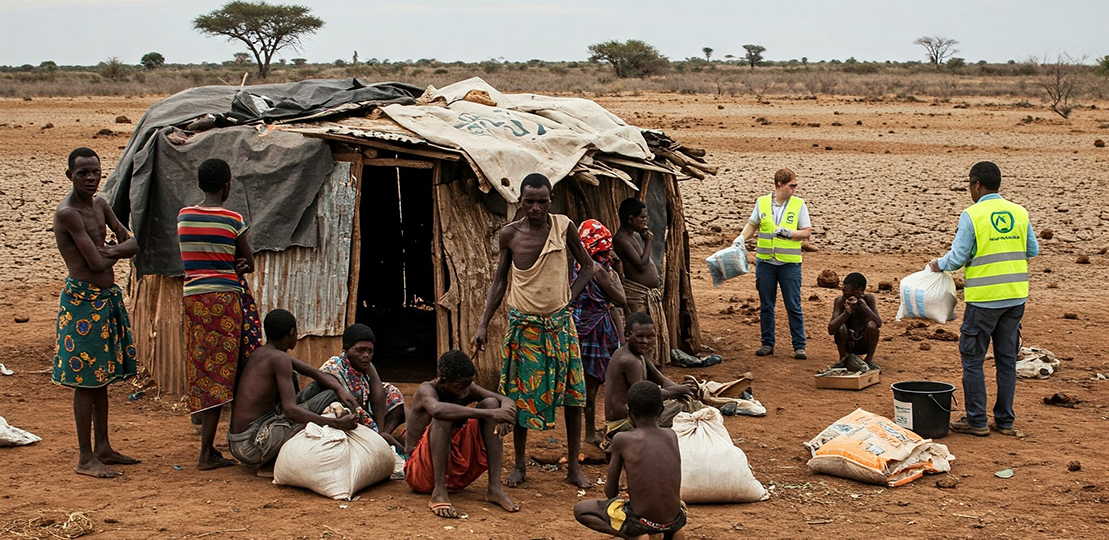

Johannesburg, South Africa – A confluence of devastating floods, persistent drought in several regions, and escalating socio-economic challenges has plunged South Africa into a deepening humanitarian crisis. While the full scale of the disaster is still being assessed, reports from the ground paint a grim picture of widespread displacement, food insecurity, and limited access to essential resources like clean water and healthcare. Adding to the urgency, aid organizations are facing significant hurdles in reaching the most vulnerable populations, raising concerns about the long-term impact on the affected communities.
The recent torrential rains that battered the eastern provinces have left a trail of destruction, washing away homes, infrastructure, and vital agricultural land. Simultaneously, prolonged dry spells in the western and central parts of the country have decimated crops and livestock, pushing already marginalized communities to the brink of starvation. These climate-related shocks, coupled with pre-existing issues of poverty and inequality, have created a perfect storm, overwhelming local resources and capacities.
“The situation on the ground is dire,” says Sarah Johnson, a field coordinator for a prominent international aid organization. “We are seeing families who have lost everything – their homes, their livelihoods. The need for shelter, food, and clean water is immense, and it’s growing every day.”
However, the efforts of humanitarian organizations to provide crucial assistance are being hampered by a multitude of challenges. Damaged road networks and bridges, a consequence of the severe weather, are making it difficult to transport aid supplies to remote areas. Logistical bottlenecks, coupled with a shortage of resources and personnel, are further exacerbating the delays.
Furthermore, security concerns in some regions are posing significant risks to aid workers and hindering access to vulnerable populations. Reports of looting and unrest in the aftermath of the disasters are forcing organizations to navigate complex and dangerous environments, often delaying the delivery of life-saving assistance.
“We are committed to reaching everyone in need, but the logistical and security challenges are immense,” explains David Chen, a spokesperson for a local relief agency. “We urgently need increased support from the government and the international community to overcome these obstacles and ensure that aid reaches those who desperately need it.”
The unfolding crisis is not just about immediate relief. Experts warn of long-term consequences, including increased rates of malnutrition, the spread of waterborne diseases, and heightened social tensions. The destruction of agricultural land threatens future food security, potentially leading to prolonged dependence on external aid.
Calls for increased international assistance are growing louder. Aid organizations are urging donor countries and philanthropic organizations to step up their support to help South Africa address this escalating humanitarian emergency. The need for financial aid, logistical support, and specialized personnel is critical to ensure an effective and timely response.
As the crisis deepens, the resilience and spirit of the affected communities are being tested. However, without a significant and coordinated humanitarian response, the suffering of millions of South Africans is likely to worsen. The ability of aid organizations to overcome the current challenges and reach those in need will be crucial in mitigating the devastating consequences of this unfolding tragedy. The world is watching, and the time for decisive action is now.