
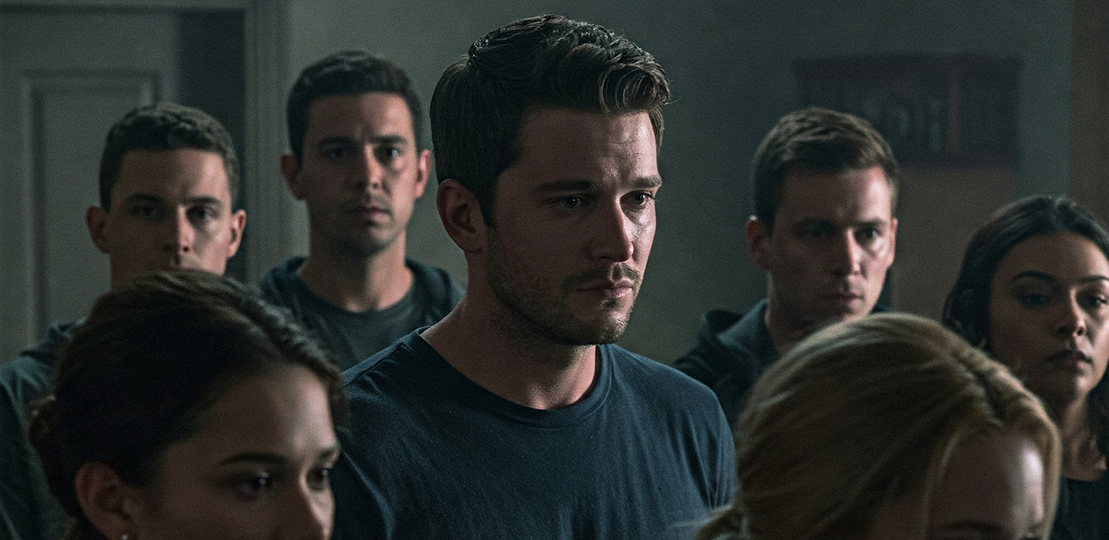

After five seasons of captivating audiences with its intricate plotlines, compelling characters, and thought-provoking themes, the critically lauded television series, “Echoes of Yesterday,” has aired its final episode, leaving viewers both emotionally moved and utterly surprised. The highly anticipated finale, which aired Sunday night, delivered on its promise of a powerful conclusion, but not in the way many had predicted.
“Echoes of Yesterday” has consistently garnered praise for its sharp writing, stellar performances, and its ability to seamlessly blend genres, weaving together elements of mystery, drama, and even a touch of the supernatural. The series followed the intertwined lives of a group of seemingly disparate individuals grappling with the lingering effects of a shared, traumatic past. Over its run, the show masterfully peeled back layers of secrets and unveiled complex relationships, earning it a dedicated fanbase and numerous accolades.
Heading into the final episode, speculation was rampant. Would the central mystery finally be solved? Would the fractured relationships find resolution? Would the characters achieve the peace they so desperately sought? While the finale did offer answers to many of these burning questions, it did so with a series of unexpected twists and turns that left viewers reeling.
The episode opened with a sense of palpable tension, as the long-awaited confrontation between the protagonist, Elias Vance (played with captivating intensity by Anya Sharma), and the enigmatic antagonist, known only as “The Weaver,” finally unfolded. What followed was not the straightforward showdown many had envisioned, but rather a psychologically charged battle of wits, delving deep into the motivations and vulnerabilities of both characters.
Just when it seemed the narrative was heading towards a predictable resolution, the writers pulled off a stunning narrative sleight of hand. A key piece of information, subtly hinted at throughout the season but never fully revealed, came to light, completely shifting the audience’s understanding of the events that had transpired. This revelation not only upended previous assumptions but also added a profound layer of tragedy to the characters’ journeys.
The emotional core of the finale resonated deeply. The raw vulnerability displayed by the ensemble cast, as they grappled with the consequences of the truth, was particularly poignant. Scenes of heartbreak, forgiveness, and a glimmer of hope were expertly interwoven, creating a tapestry of human emotion that lingered long after the credits rolled.
While some viewers may find the unexpected nature of the ending divisive, the overwhelming consensus online and among critics is one of admiration for the show’s boldness and its commitment to delivering a truly memorable conclusion. Many praised the writers for resisting the urge to provide easy answers and instead opting for a more nuanced and ultimately more impactful resolution.
“Echoes of Yesterday” has undoubtedly left an indelible mark on the landscape of contemporary television. Its final episode serves not only as a satisfying culmination of its intricate storyline but also as a testament to the power of storytelling to surprise, move, and ultimately, stay with us long after the screen fades to black. The echoes of this remarkable series will undoubtedly be felt for years to come.